☰ Cards, readings & spreads

Cartomancy: playing card meanings
Fortune-telling with an ordinary 52-card deck. Every card below has its own page: what it is read as, in love and in money, its yes or no, and the birthdays it belongs to in cardology.
What cartomancy is
Cartomancy is fortune-telling with cards; here, the working deck is an ordinary pack of 52 playing cards. Readers interpret each card through its suit, rank, position in a spread, and neighboring cards, using those details to discuss questions about relationships, work, money, and decisions. A question about a move, for example, gives the same cards a different context from a question about a conversation that keeps being postponed.
Playing cards reached Europe in the 14th century, and forms of cartomancy followed, with ordinary playing-card readings becoming widespread in later centuries. The interpretations used today come through several traditions: French practice often uses a stripped 32-card piquet deck, while other methods work with all 52 cards. Published guides disagree on individual readings, and some modern charts borrow tarot interpretations rather than follow older playing-card conventions. The card links below let you explore those differences without treating every chart as the same system.
Hearts
In cartomancy, the suit of hearts is read as affection, friendship, home, and close relationships. Several hearts together are taken to emphasize the people involved: a family gathering, an invitation, or a conversation between partners may become the center of the reading. Context changes the tone, so a heart beside difficult spades can be read through strained communication rather than uncomplicated warmth.
Red suit · tarot counterpart: Cups
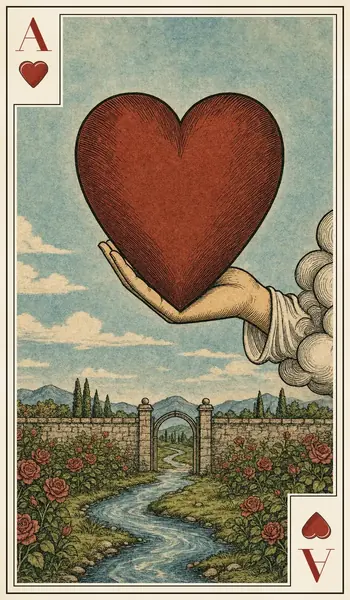
Ace of Hearts
Two of Hearts
Three of Hearts
Four of Hearts
Five of Hearts
Six of Hearts
Seven of Hearts
Eight of Hearts
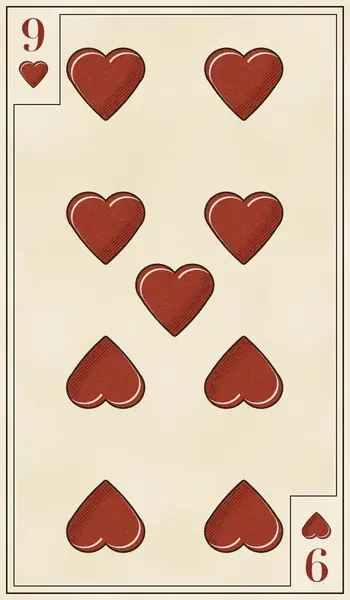
Nine of Hearts
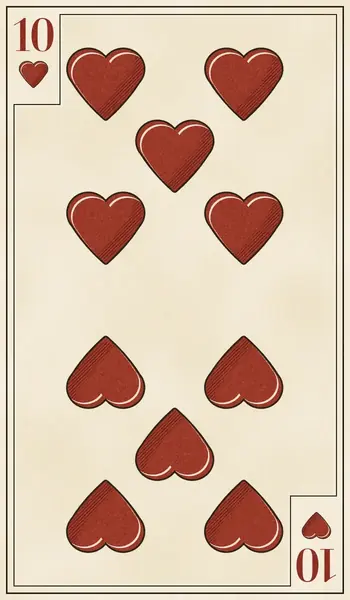
Ten of Hearts
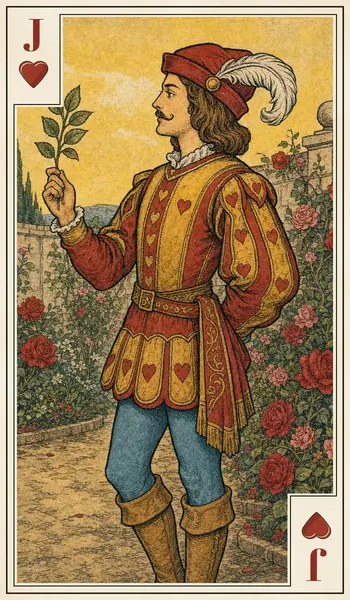
Jack of Hearts
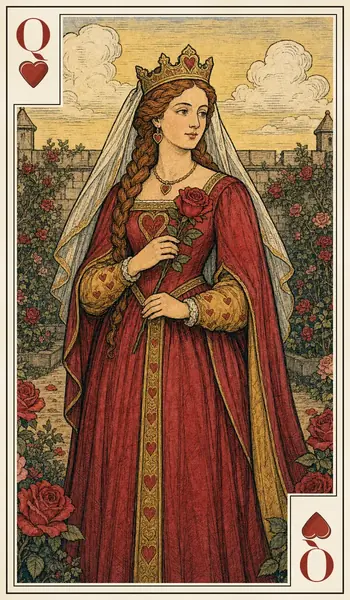
Queen of Hearts
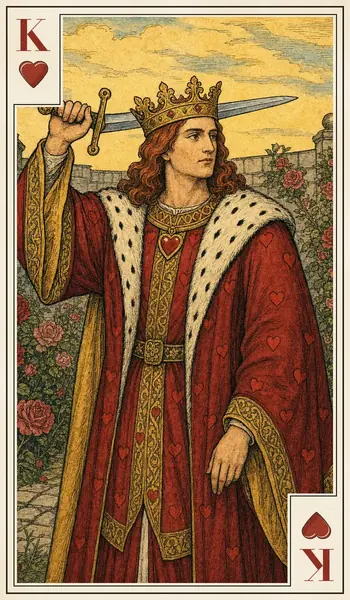
King of Hearts
Clubs
In cartomancy, the suit of clubs is read as work, enterprise, practical effort, and support from other people. Several clubs together are taken to emphasize getting things done, whether that involves discussing a job offer, organizing a move, or asking a friend for help. Traditions differ on individual cards, so nearby diamonds can shift attention toward payment, while hearts bring working relationships into focus.
Black suit · tarot counterpart: Wands
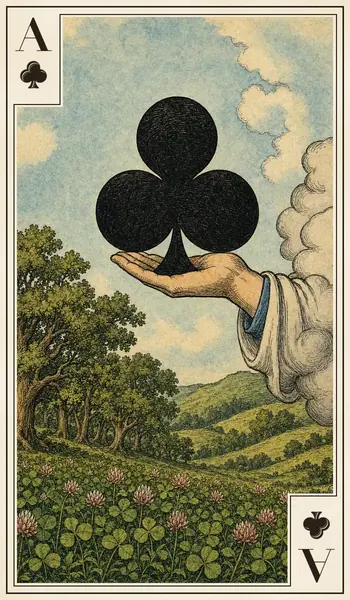
Ace of Clubs
Two of Clubs
Three of Clubs
Four of Clubs
Five of Clubs
Six of Clubs
Seven of Clubs
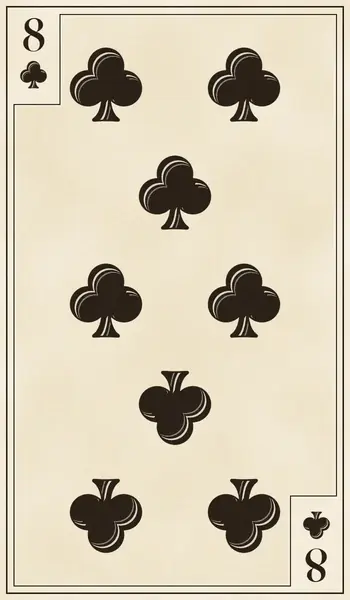
Eight of Clubs
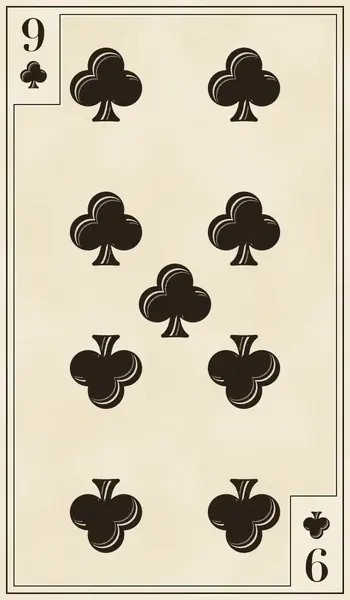
Nine of Clubs
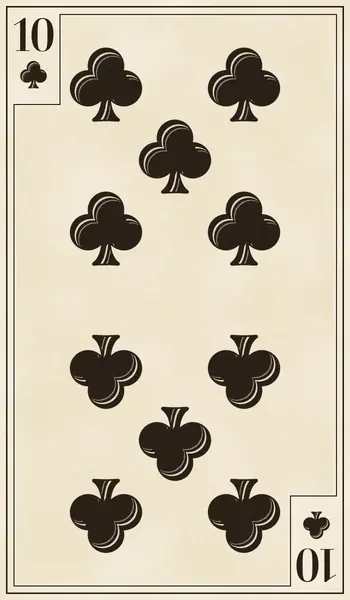
Ten of Clubs
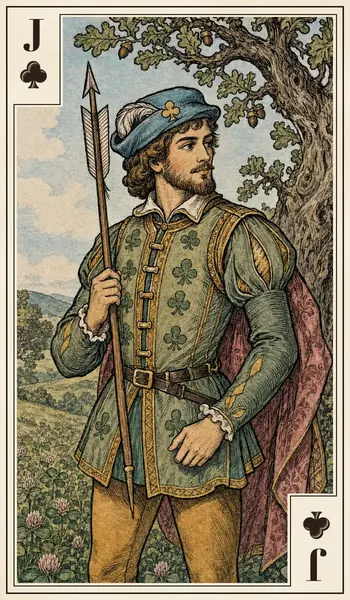
Jack of Clubs
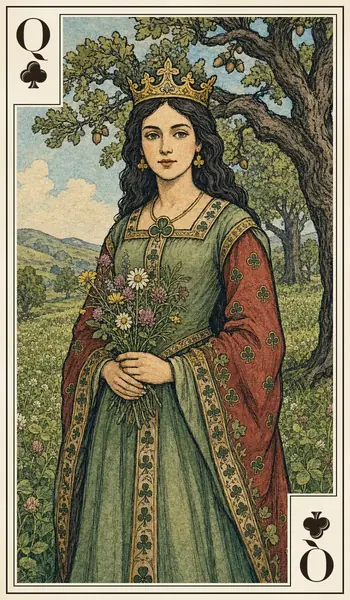
Queen of Clubs
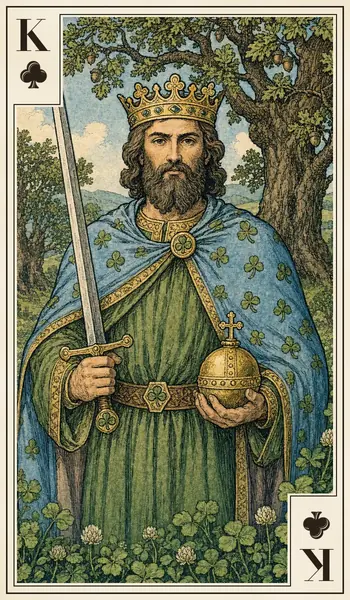
King of Clubs
Diamonds
In cartomancy, the suit of diamonds is read as money, possessions, exchanges, and, in some traditions, letters or messages. Several diamonds together are taken to emphasize practical transactions: a bill, a pay discussion, paperwork, or the cost of moving. The question and neighboring cards help distinguish a financial concern from a message about one; an ace of diamonds, for example, is often read as a letter or gift.
Red suit · tarot counterpart: Pentacles
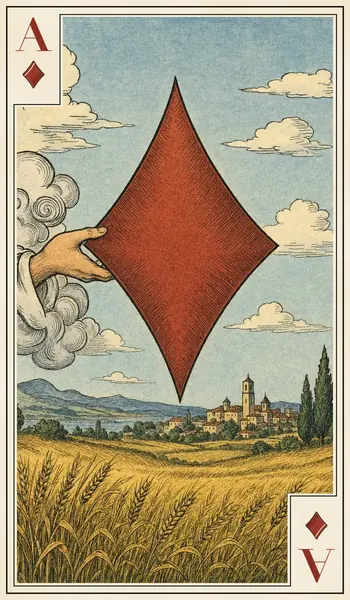
Ace of Diamonds
Two of Diamonds
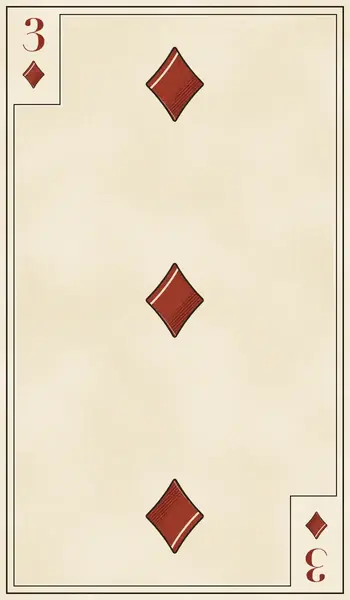
Three of Diamonds
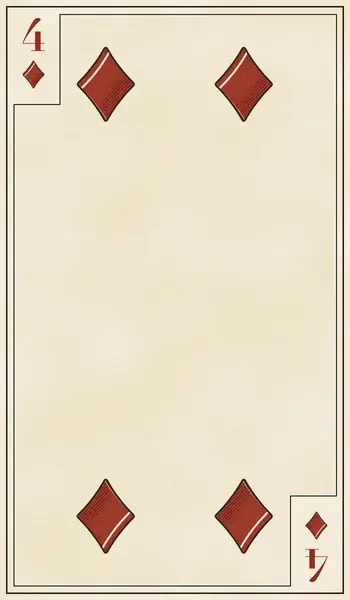
Four of Diamonds
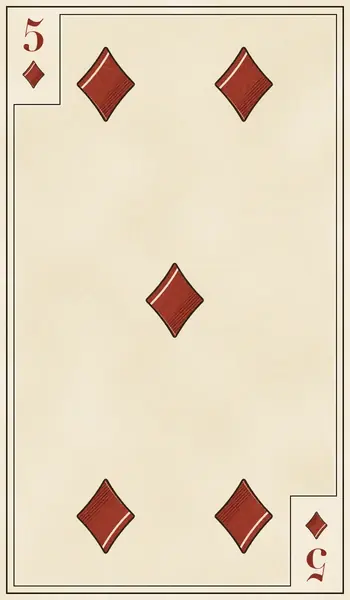
Five of Diamonds
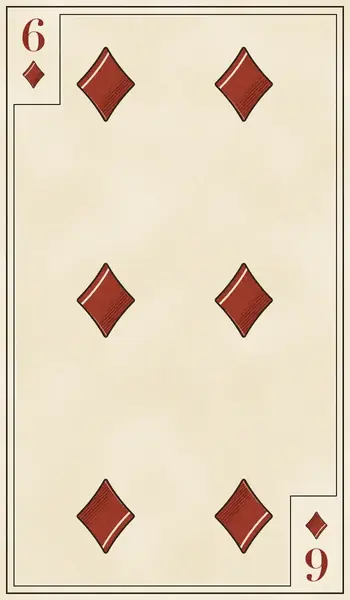
Six of Diamonds
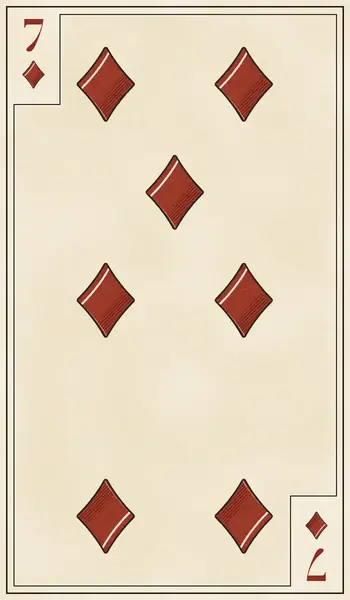
Seven of Diamonds
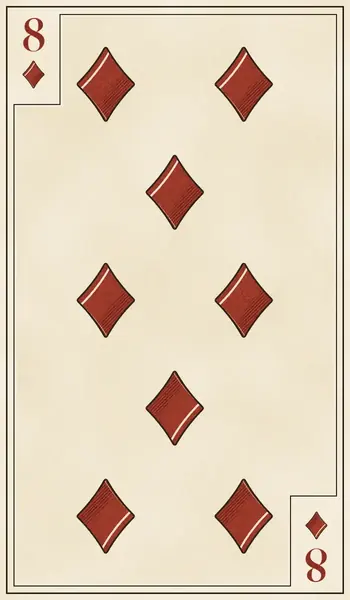
Eight of Diamonds
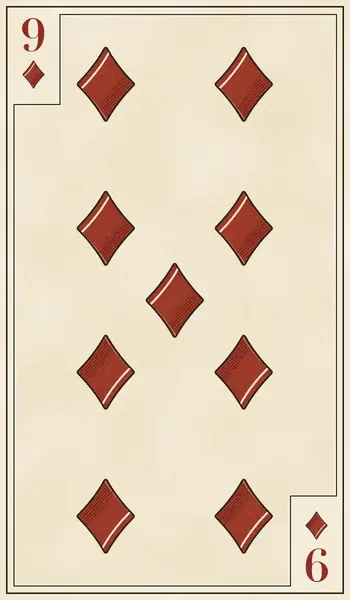
Nine of Diamonds
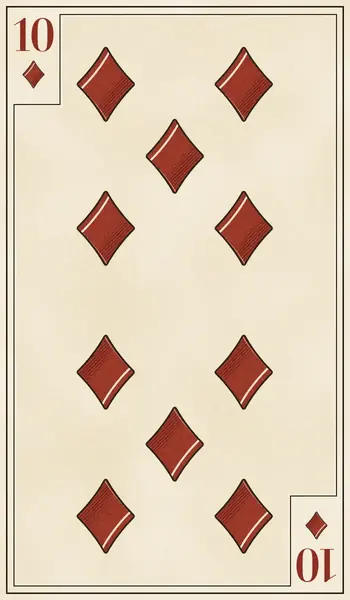
Ten of Diamonds
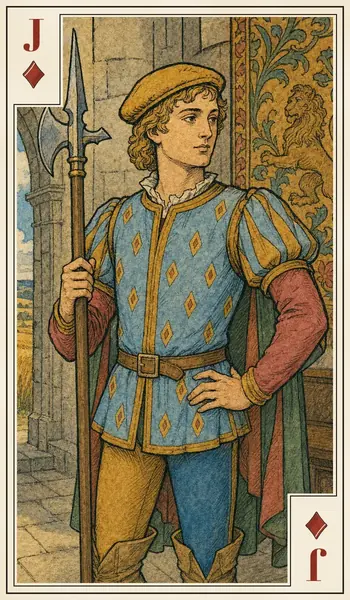
Jack of Diamonds
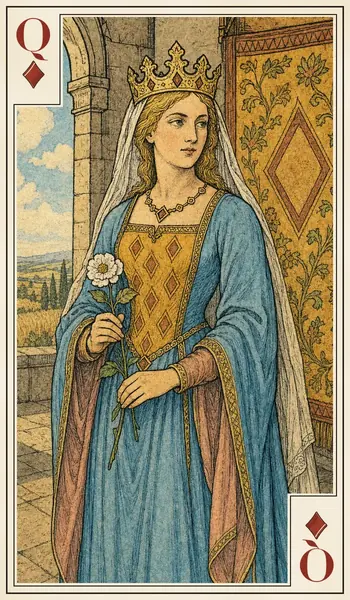
Queen of Diamonds
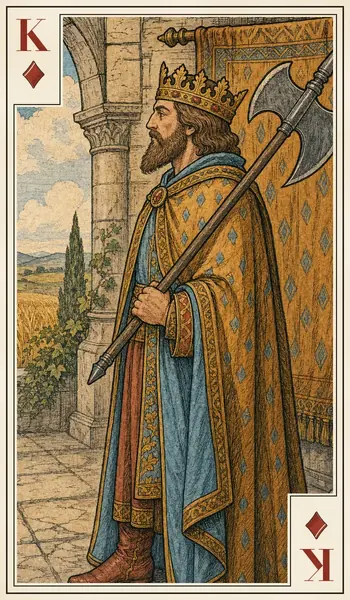
King of Diamonds
Spades
In cartomancy, the suit of spades is read as difficulty, conflict, endings, and demanding decisions. Several spades together are taken to emphasize pressure or obstacles, such as a disagreement at work or a conversation repeatedly put off. Individual traditions vary considerably, and the surrounding cards help readers distinguish an argument from the worry around it, or a firm boundary from a stalled decision.
Black suit · tarot counterpart: Swords
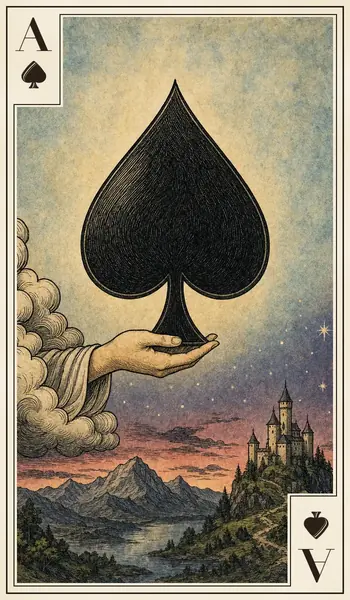
Ace of Spades
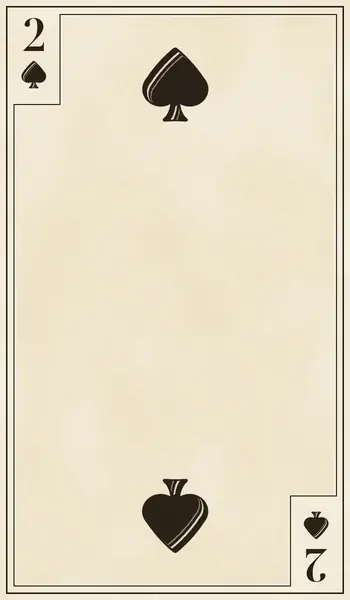
Two of Spades
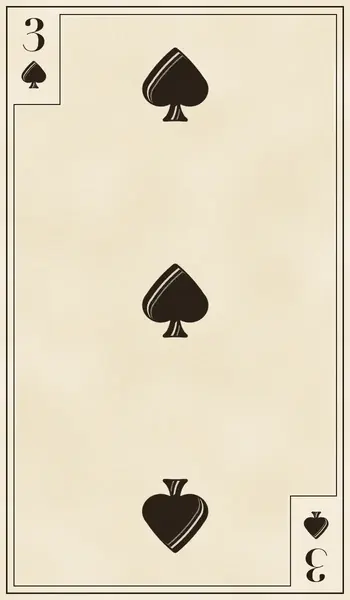
Three of Spades
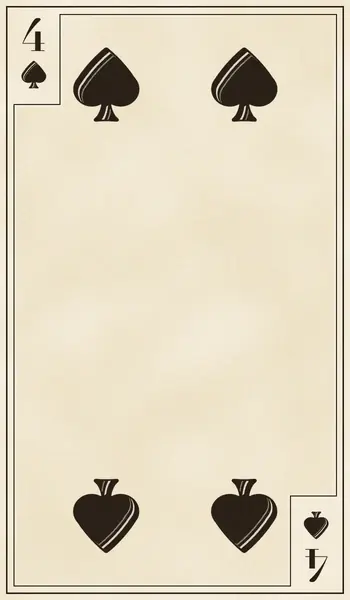
Four of Spades
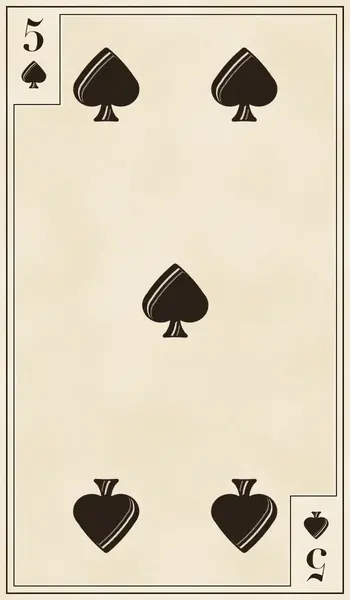
Five of Spades
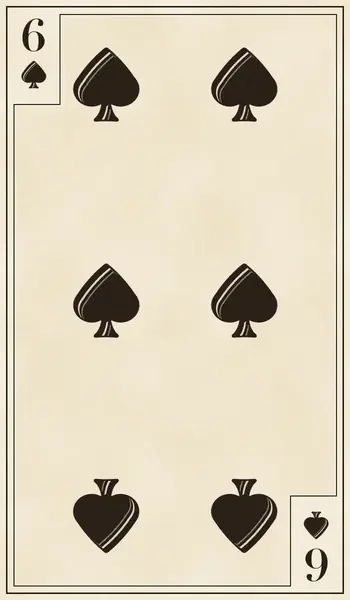
Six of Spades
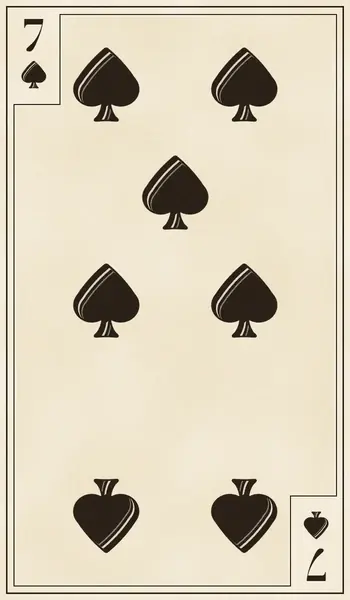
Seven of Spades
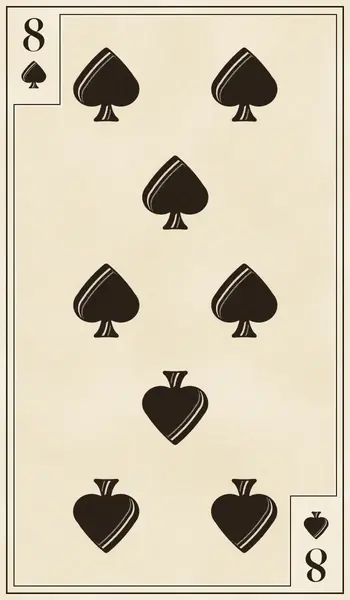
Eight of Spades
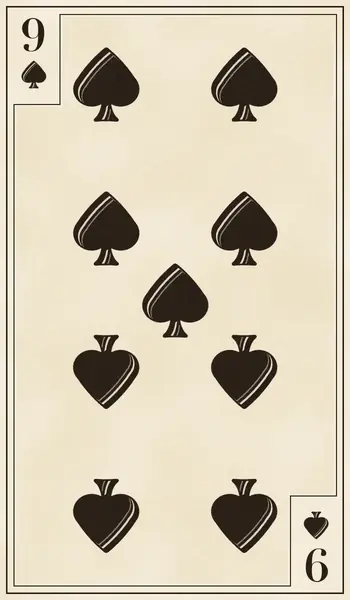
Nine of Spades
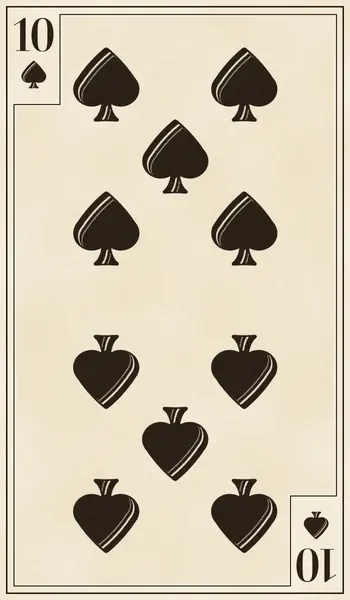
Ten of Spades
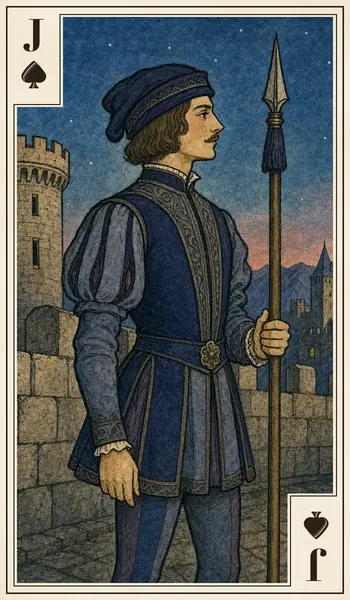
Jack of Spades
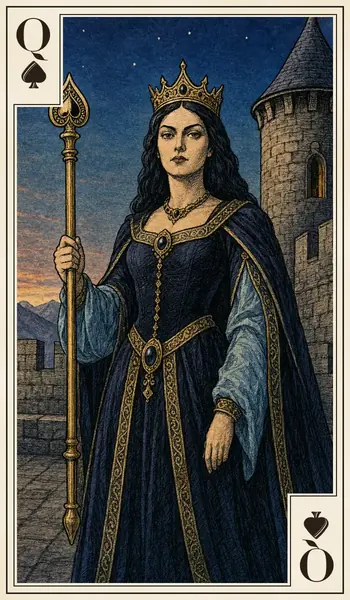
Queen of Spades
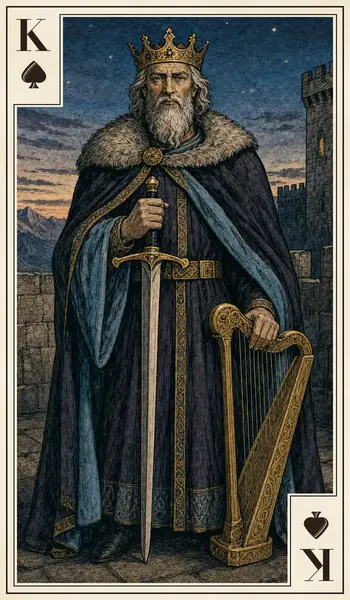
King of Spades
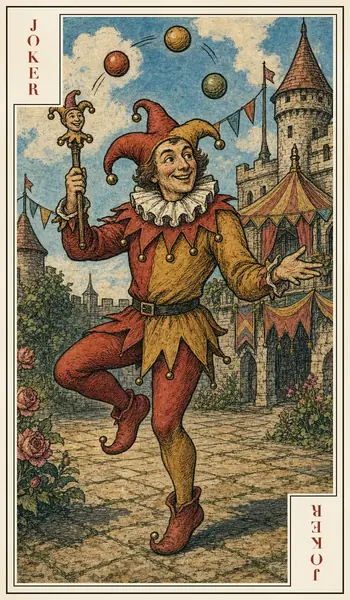
The Joker
The extra card, outside the four suits. Many readers set it aside; those who keep it read it on its own terms, and in cardology it is the birth card of a single date, December 31.
How to read playing cards
A playing-card reading usually begins with a question, a shuffled deck, and a chosen spread. Start with the suit and rank of each card, then consider its position and the cards beside it: a money-related card takes a different role in a past position than in a present one. Keep one interpretation system at hand throughout the reading, especially when checking combinations.
- Remove the jokers for a 52-card reading and write down one specific question, such as what needs attention in a job discussion.
- Shuffle and draw one card for a focused reading, or lay out three cards from left to right for past, present, and future.
- Look first at each card’s suit and rank, then consult its entry using the question and spread position to narrow the interpretation.
- Check for repeated suits, matching ranks, and several court cards. Read neighboring cards together rather than treating each as a separate answer.
- Write a short interpretation tied to the situation. For a future position, frame a question to consider next, such as which payment details need discussing.
Playing cards and tarot
Readers who use both decks pair the suits like this, the same pairing the French occultist Papus gave; a few older writers matched them differently, but this is the one in use today. Ace to Ten keep their numbers, and Kings and Queens stay Kings and Queens. A tarot suit has four court cards and the ordinary deck kept three: the Jack is the old Knave, the tarot's Page, and the Knight was dropped, though some readers fold the Knight into the Jack as well. Each card page links its tarot counterpart, and each tarot Ace to King (Knights aside) links back to its playing card. The pairing is a working convenience: the two decks are read in separate traditions, so the meanings overlap in places and part ways in others.
What playing card are you?
Cardology gives every birthday a card of the deck. Pick your month and day, and the calculator shows the card and the arithmetic behind it.
Tarot birth cards
The tarot version uses the full date of birth, year included, and lands on the Major Arcana instead.
Questions
Do you use jokers in cartomancy?
Some readers add jokers, while others use only the standard pack. For the 52-card system on this page, set them aside before shuffling. If you later try a method that includes a joker, use that method’s assigned interpretation consistently rather than adding it halfway through a reading.
Does the direction of a playing card matter in cartomancy?
Readers differ on whether they assign a separate interpretation to a card turned upside down. Many standard designs look identical when rotated, so direction can be difficult to track consistently. A straightforward approach is to use the spread position and neighboring cards to explore tension, support, or delay.
Why do cartomancy charts give different readings for the same card?
Playing-card cartomancy has several traditions, each with its own associations and combinations. One guide reads the three of hearts through celebration and friendship; another reads it through relationship difficulties. Choose a chart before laying out the cards, and follow its conventions through the whole spread rather than switching interpretations whenever another sounds more appealing.
What is a birth card in cartomancy?
In a birth-card system, a calendar date is assigned a playing card; the calculator performs that lookup. Use the linked card entry to explore the associations attached to your result. This gives you a fixed card to study, whereas a shuffled reading starts with cards drawn for a particular question.
Playing card birth card calculator →Tarot birth card calculator →